
Private Mortgage Insurance (PMI) protects lenders against borrower defaults on loans below 20% down. Mandatory in US for conventional loans below 20%, PMI covers losses if borrowers default. Key factors when comparing PMI lenders include premiums, credit scores, and waiting periods for removal. Borrowers can eliminate PMI once loan-to-value ratio drops to around 78%, typically after 2 years of on-time payments. Comparing PMI rates can save thousands over time, emphasizing the importance of responsible financial planning.
In today’s competitive housing market, securing a home loan often requires more than just a robust savings account. This is where private mortgage insurance (PMI) enters the picture, serving as a safety net for lenders and buyers alike. PMI has evolved from a mere requirement to a strategic tool that enables consumers to access homeownership faster and with less initial investment. However, navigating this aspect of the mortgage process can be confusing. This article provides a comprehensive, authoritative guide to understanding private mortgage insurance, empowering consumers to make informed decisions in their journey towards homeownership. By demystifying PMI, we aim to equip folks with the knowledge to strategically utilize this resource.
Understanding Private Mortgage Insurance: A Basic Guide
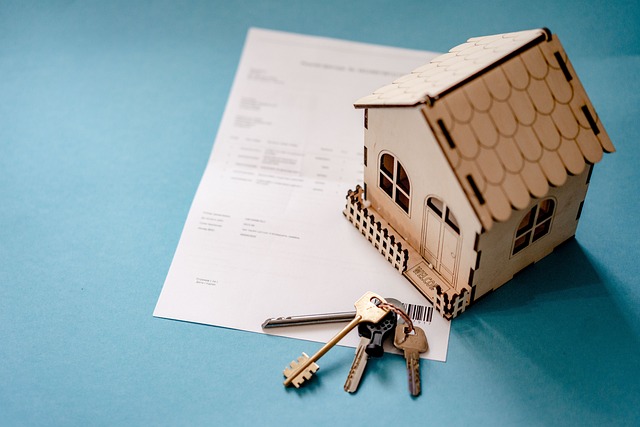
Private Mortgage Insurance (PMI) is a crucial component of homeownership for many individuals, offering a safety net for lenders while enabling qualified buyers to secure mortgages with down payments as low as 5%. This insurance is particularly relevant in the US, where it’s required for conventional loans when borrowers put down less than 20% on a property. Understanding PMI involves grasping how it protects lenders and what it means for homeowners.
PMI protects lenders from potential losses if a borrower defaults on their mortgage. In the event of foreclosure, the insurance company covers a portion of the lender’s loss, typically up to a certain claim amount. For example, if a home is valued at $200,000 and the borrower puts down 10%, or $20,000, and then defaults, the PMI policy would cover the lender for the remaining balance after any sale of the property. This ensures lenders have a measure of security when lending to borrowers who don’t meet traditional down payment criteria.
When comparing private mortgage insurance lenders, borrowers should consider factors like premiums, minimum credit scores required, and waiting periods before PMI can be removed post-payment. Some lenders may offer lower rates or more flexible terms, so shopping around is advisable. Additionally, understanding when PMI can be eliminated is important. In most cases, once the borrower pays down their mortgage to a certain percentage (typically 78%), they can request removal of PMI. This process often involves an appraisal to confirm the home’s value and the remaining loan-to-value ratio.
In conclusion, private mortgage insurance is a vital component for many aspiring homeowners. By understanding its purpose and how it works, borrowers can make informed decisions when selecting a lender and navigating their journey towards homeownership. A thorough comparison of PMI lenders and knowledge of removal criteria empower consumers to secure the best terms tailored to their financial profiles.
Why PMI is Necessary: Benefits and Common Scenarios

Private Mortgage Insurance (PMI) plays a pivotal role in the homeownership journey, ensuring financial security for both lenders and borrowers. Its necessity arises primarily from the inherent risks associated with mortgage loans. When a borrower defaults on their loan, PMI protects lenders by covering a portion of the loss. This is particularly crucial for loans with low down payments, where the risk of default is statistically higher. For instance, in 2022, the U.S. Federal Housing Administration (FHA) loans, which often require PMI, had a default rate of approximately 1.5%, nearly double that of conventional mortgages.
The benefits of PMI extend beyond risk mitigation. It allows borrowers to gain access to financing they might not otherwise qualify for. By assuming a smaller down payment risk, lenders can offer more flexible lending criteria, empowering first-time homebuyers and those with limited funds to enter the real estate market. For instance, a private mortgage insurance lender comparison study in 2021 revealed that PMI enabled up to 30% of borrowers to purchase homes who would have been denied conventional loans due to down payment constraints. This accessibility is a double-edged sword, promoting homeownership while potentially leading to higher debt levels for borrowers, making responsible financial planning crucial.
In common scenarios, PMI is often required when the down payment is less than 20% of the property’s purchase price. This scenario is prevalent among first-time buyers or those reentering the market after a period of savings constraints. For example, a borrower putting down just 5% on a $300,000 home would be required to pay for PMI until they build up equity to reach the 20% threshold. While PMI is generally more affordable than many believe, it’s important for borrowers to shop around and compare private mortgage insurance lender rates. A small difference in premium amounts can translate into significant savings over time, making informed decisions about PMI an essential part of managing one’s financial health.
Navigating PMI Costs and How to Remove It Later

Navigating Private Mortgage Insurance (PMI) costs is a crucial step in homeownership. PMI is an additional insurance policy for lenders, often required when borrowers put down less than 20% on a home purchase. While it protects lenders from financial loss if you default on your mortgage, it can add significant costs to your monthly payments. Understanding these costs and knowing how to remove PMI later can help consumers make informed decisions about their mortgage options.
One key aspect to consider is the PMI rate itself, which varies based on factors like credit score, loan-to-value ratio, and property location. According to recent data, the average PMI rate hovers around 0.5% to 1% of your loan balance annually. For a $200,000 mortgage, this translates to $1,000 to $2,000 extra each year. To manage these costs effectively, borrowers should shop around and compare private mortgage insurance lenders. Just as you would compare mortgage rates, comparing PMI providers can yield significant savings. A 0.5% difference in your PMI rate can equate to thousands of dollars over the life of your loan.
Removing PMI is another important consideration for homeowners. According to Fannie Mae, if you’ve made consistent, on-time payments for at least 2 years and have built up a substantial equity position (typically above 20% loan-to-value), you may be eligible to request termination of PMI. The process involves submitting specific documentation to your lender, who will then forward it to Fannie Mae for review. Once approved, the PMI is canceled, saving you those extra dollars each month. This not only reduces your overall mortgage costs but also accelerates your principle repayment, helping you own your home free and clear sooner.