
Private Mortgage Insurance (PMI) protects lenders for loans exceeding 80% LTV, required for down payments below 20%. Costs range 0.5%-1.5% annually, varying by credit score and LTV. Shopping around and maintaining good credit reduces PMI premiums. Cancellation involves achieving 20% equity, timely payments, and updated documentation. Strategic mortgage decisions balance PMI costs with financial goals.
In the intricate landscape of homeownership, securing a mortgage is a significant milestone. However, for many borrowers, especially first-time buyers or those with less-than-perfect credit, the journey can be fraught with challenges. This is where private mortgage insurance (PMI) steps in as a crucial safety net. PMI protects lenders against potential losses if a borrower defaults on their loan, offering peace of mind and facilitating access to financing for a broader range of consumers.
The article that follows provides a strategic explanation of PMI, demystifying its purpose, benefits, and implications for both lenders and borrowers alike. By understanding this vital component of the mortgage process, consumers can make informed decisions, ensuring a smoother path towards homeownership.
Understanding Private Mortgage Insurance: Basics Explained
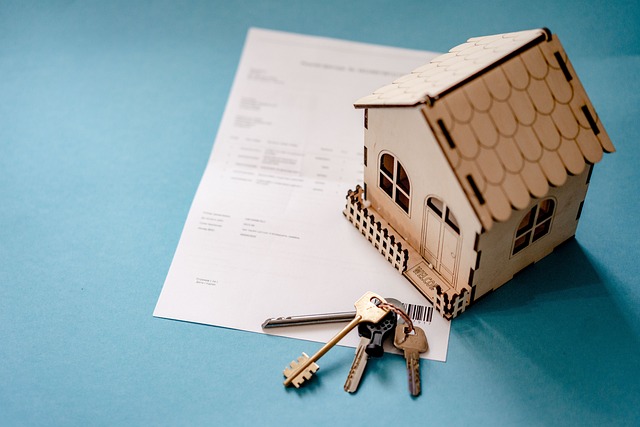
Private Mortgage Insurance (PMI) is a safety net for both lenders and borrowers in the event of foreclosure. It’s an additional cost rolled into your mortgage loan, typically paid by the borrower, that protects the lender from financial loss if you’re unable to repay the loan. While it might sound like an unnecessary expense, PMI can be a crucial component of homeownership for borrowers who don’t have 20% down.
When you put less than 20% down on a house purchase, lenders require private mortgage insurance as a way to mitigate risk. This is because with a smaller down payment, the loan-to-value ratio (LTV) is higher, meaning the lender stands to lose more if the borrower defaults. PMI typically costs between 0.5% and 1.5% of your loan balance annually, depending on your credit score and the amount you put down. For example, for a $200,000 mortgage with a 5% down payment, you might pay around $60 to $900 in PMI annually. While this can add up, it’s often outweighed by the benefits of homeownership.
When comparing lenders, it’s essential to consider private mortgage insurance costs as part of your overall borrowing strategy. A lender comparison tool can help you analyze rates and fees, including PMI premiums. Shopping around for the best rate on your mortgage can save you thousands over the life of your loan. Remember that the cost of PMI isn’t set in stone; it’s based on factors like your credit score, LTV ratio, and property location. Maintaining a strong credit score and making timely payments can help reduce your PMI premium or even eliminate it entirely as you build equity in your home.
When Is PMI Necessary? Loan Scenarios to Consider

Private mortgage insurance (PMI) is often required when borrowers take out a loan to purchase a home with a down payment below 20% of the property’s value. This strategic financial protection for lenders mitigates risk in case the borrower defaults on their mortgage. However, understanding when PMI is necessary and navigating various loan scenarios can empower consumers to make informed decisions.
Consider situations where the borrower’s equity position is relatively low. For instance, if home prices appreciate slowly or a buyer purchases a high-value property with a smaller down payment, PMI becomes crucial. Lenders use these factors to assess the potential financial exposure and decide whether to require private mortgage insurance. A common rule of thumb is that PMI is mandatory for loans exceeding 80% of the property’s value. For example, if you borrow $200,000 to purchase a home worth $300,000, your loan-to-value ratio is 67%, and PMI may be required.
When comparing lenders, consumers should pay close attention to PMI requirements. A private mortgage insurance lender comparison can reveal significant variations in rates and terms. Some lenders may offer more flexible PMI options or even eliminate it entirely with a higher down payment. For instance, according to recent data, borrowers with credit scores above 740 might secure conventional loans with as little as 5% down, potentially avoiding PMI altogether. By carefully evaluating these factors, consumers can navigate the mortgage landscape effectively and make strategic decisions tailored to their financial goals.
How Private Mortgage Insurance Protects Lenders, Borrowers

Private Mortgage Insurance (PMI) serves as a safety net for lenders, safeguarding them against potential losses if borrowers default on their loans. When a borrower takes out a mortgage with less than 20% down, PMI becomes a required component of the loan package. This insurance compensates the lender for the increased risk associated with lending to borrowers with smaller down payments.
From a borrower’s perspective, understanding PMI is crucial. While it adds to the overall cost of the loan, it protects them from facing the full brunt of a foreclosure. In case of default, PMI ensures that the lender receives up to 95% of the outstanding principal on the mortgage. This mechanism allows borrowers to avoid the severe financial consequences of foreclosure, including potential legal repercussions and damage to their credit score. For instance, if a borrower with a $200,000 mortgage defaults, the lender might recover only $185,000 from selling the property after PMI is settled.
When comparing different lenders, consumers should inquire about PMI requirements and costs upfront. Some lenders may offer more flexible terms or lower rates for borrowers who opt for private mortgage insurance. It’s a strategic decision that requires careful consideration of one’s financial situation. According to recent data, the average annual cost of PMI is approximately 0.5% to 1% of the loan amount, varying based on credit score and down payment percentage.
Ultimately, understanding how private mortgage insurance protects both lenders and borrowers can empower consumers to make informed choices. By comparing lender offerings and evaluating the associated costs, borrowers can tailor their financing options to their individual needs while navigating potential risks with confidence.
Removing PMI: Requirements and Steps for Cancellation

Private Mortgage Insurance (PMI) can be a necessary component of homeownership for borrowers with low down payments, but many homeowners eventually aim to remove it as they build equity. Understanding the requirements and steps for canceling PMI is crucial for managing your mortgage effectively. This process involves demonstrating financial stability and repaying a significant portion of your loan balance. One common milestone is reaching 20% equity in your property, which triggers an automatic PMI cancellation from most lenders.
To initiate the removal process, borrowers should first review their mortgage terms with their private mortgage insurance lender. They must ensure they’ve met all criteria for elimination, such as making on-time payments and maintaining appropriate insurance coverage. Next, borrowers can expect to provide updated financial documentation to prove their improved creditworthiness and income stability. This step is essential, as it reassures the lender that the risk of default has decreased. Once approved, the lender will remove PMI from your loan, saving you from the additional monthly cost.
A strategic approach to private mortgage insurance lender comparison can also aid in this process. Shopping around for a new loan with more favorable terms or lower interest rates might be an option worth exploring before canceling PMI. This strategy could result in long-term savings and further financial benefits. However, it’s essential to weigh the potential costs of refinancing against the advantages of removing PMI, considering your unique circumstances and market conditions. By following these steps and staying informed about private mortgage insurance requirements, homeowners can take control of their financial journey.